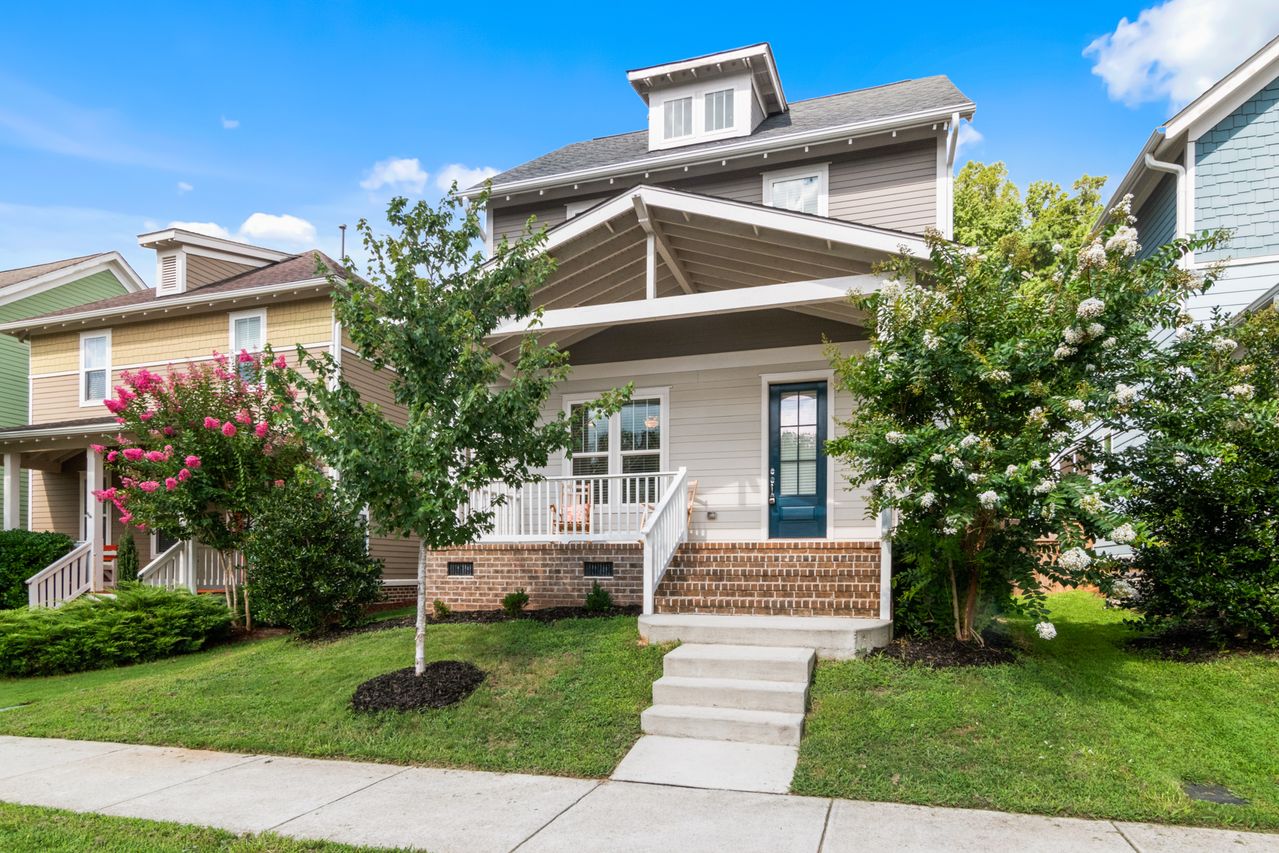

Buying a home is one of the most significant financial decisions many people will make. For first-time buyers, the process can feel overwhelming, especially when navigating mortgage options, determining affordability, and evaluating properties.
Before beginning your home search, there are several important considerations that can help you make informed decisions and prepare for the responsibilities of homeownership.
1. Understand What You Can Afford
Before searching for a home, consider getting pre-approved for a mortgage. A pre-approval helps you understand how much a lender may be willing to lend based on your income, credit history, debts, and financial circumstances.
However, the amount you qualify for isn’t necessarily the amount you should spend.
Beyond your mortgage principal and interest payments, homeownership comes with additional expenses, including property taxes, homeowners insurance, maintenance, repairs, utilities, and potentially homeowners association (HOA) fees.
Take time to evaluate your finances and establish a budget that allows you to comfortably manage these expenses while maintaining savings for emergencies and other financial priorities.
It’s natural to become attached to a home, especially when it offers many of the features you’ve been looking for. However, avoid stretching your finances beyond what you can comfortably afford simply because you love a particular property.
If a home exceeds your budget, consider adjusting your expectations, exploring different neighborhoods, or evaluating alternative property types. The goal is to purchase a home that meets your needs without creating unnecessary financial pressure.
2. Shop Around for Mortgage Options
You don’t have to accept the first mortgage offer you receive. Consider comparing multiple lenders to understand the interest rates, loan terms, closing costs, and programs available to you.
Different lenders may offer different financing options, including programs designed to help eligible first-time buyers with down payments or closing costs.
When comparing offers, pay attention to more than just the interest rate. Consider the annual percentage rate (APR), lender fees, mortgage insurance requirements, and the overall cost of borrowing.
Understanding these options can help you identify financing that aligns with your financial circumstances and long-term goals.
3. You Don’t Necessarily Need 20% Down
One common misconception about buying a home is that you must save 20% of the purchase price for a down payment.
Depending on your qualifications and the loan program, you may be able to purchase a home with significantly less:
- Conventional loans: Minimum down payment of 3% for eligible borrowers.
- FHA loans: Minimum down payment of 3.5% for eligible borrowers.
- VA loans: Potentially 0% down for eligible borrowers.
- USDA loans: Potentially 0% down for eligible borrowers purchasing qualifying properties.
While putting 20% down on a conventional loan generally allows you to avoid private mortgage insurance, a smaller down payment may help you purchase sooner without waiting years to accumulate additional savings.
Even if you have 20% available, consider whether using that entire amount for a down payment makes sense for your overall financial situation.
A larger down payment can reduce your monthly mortgage payment, total interest expenses, and potentially eliminate mortgage insurance. On the other hand, putting less money down may allow you to maintain additional savings for emergencies, home improvements, or other financial priorities.
You may also want to consider the opportunity cost of tying up a substantial amount of money in your home rather than keeping it available for other investments. However, potential investment returns are not guaranteed and should be weighed against the borrowing costs and risks associated with a smaller down payment.
The right amount depends on your financial circumstances, available loan programs, and long-term goals.
4. Establish Your Priorities Before Searching
Before visiting homes, identify what matters most to you.
Consider factors such as location, number of bedrooms, property size, commute, neighborhood amenities, and potential future needs.
Separate your preferences into essentials and features you would like but could live without. Having a clear understanding of your priorities can help you evaluate properties more objectively and avoid making decisions based solely on emotions.
It’s also important to recognize that your first home doesn’t necessarily have to be your dream home.
Depending on your budget, purchasing a smaller property, condominium, or townhome may be a practical way to enter the housing market.
A starter home can provide an opportunity to build equity through mortgage principal payments and potentially benefit from future property appreciation. Over time, as your financial circumstances change, you may decide to sell and purchase a property that better accommodates your needs.
However, appreciation isn’t guaranteed, and buying or selling a home involves transaction costs. Consider how long you expect to own the property and whether the purchase makes financial sense for your situation.
5. Work With a Knowledgeable Real Estate Professional
Purchasing a home involves more than finding a property you like.
A knowledgeable real estate professional can help you understand market conditions, evaluate comparable sales, navigate the purchase agreement, negotiate terms, and coordinate important steps throughout the transaction.
Take time to interview different professionals, ask questions, and select someone whose experience and guidance align with your needs.
A reliable real estate professional should help you understand your options, communicate clearly, and provide guidance throughout the process so you can make informed decisions.
6. Understand Closing Costs and Negotiation Opportunities
In addition to your down payment, you’ll need to budget for closing costs, which may include lender fees, appraisal fees, title and escrow charges, prepaid expenses, and other transaction-related costs.
Depending on market conditions, you may be able to negotiate with the seller for concessions toward eligible closing costs.
Don’t automatically assume a seller will reject your request. Your real estate agent can help evaluate whether requesting concessions is appropriate based on the property, competing offers, and the seller’s circumstances.
New construction may also be worth considering. Some builders offer financing incentives, interest rate buydowns, or closing cost assistance, particularly when buyers use a preferred lender.
However, when evaluating new construction, be sure to understand what is included in the advertised price, whether upgrades or lot premiums cost extra, and any additional expenses or contractual obligations.
Remember that seller concessions and financing incentives may be subject to lender and loan program limitations.
7. Review HOA Documents Carefully
If you’re considering a condominium, townhome, or a property within a homeowners association, take time to understand the association’s rules and financial obligations.
Review the governing documents, monthly dues, budgets, reserve information, and any disclosed special assessments or pending projects.
HOA fees can affect your monthly housing expenses, while association rules may restrict certain uses or modifications to the property.
It’s also important to understand the association’s financial condition. Inadequate reserves or significant upcoming repairs could result in increased dues or special assessments.
Understanding these obligations before purchasing can help prevent unexpected expenses or limitations.
8. Get a Home Inspection and Review Property Disclosures

Regardless of whether you’re purchasing an older property or new construction, consider hiring a qualified home inspector.
A home inspection can help identify visible defects, potential maintenance concerns, and conditions that may require further evaluation by specialists.
Although an inspection cannot uncover every possible issue, it provides valuable information about the property’s condition and can help you make a more informed purchasing decision.
In addition to the inspection, carefully review the seller’s property disclosures and other available reports or documents relating to the property.
Depending on the property and applicable laws, disclosures may provide information about known defects, previous repairs, water intrusion, structural concerns, or other conditions that could affect your decision.
If something is unclear or raises concerns, ask questions and consider obtaining further evaluations from qualified professionals.
Depending on the findings and the terms of your purchase agreement, you may have opportunities to request repairs, negotiate credits, or reconsider the purchase.
Final Thoughts
Buying your first home requires careful planning, financial preparation, and thoughtful decision-making. While you may not find a property that meets every preference, it’s important to find one that meets your essential needs and fits comfortably within your budget.
Understanding your financing options, establishing clear priorities, and working with knowledgeable professionals can help you navigate the homebuying process with greater confidence.
The goal isn’t simply to qualify for a mortgage or purchase the most expensive home within your reach. It’s to make a housing decision that aligns with your financial circumstances, lifestyle, and long-term goals.