High Mortgage Rates Keep Homeowners in Place as Renovation Spending Slows

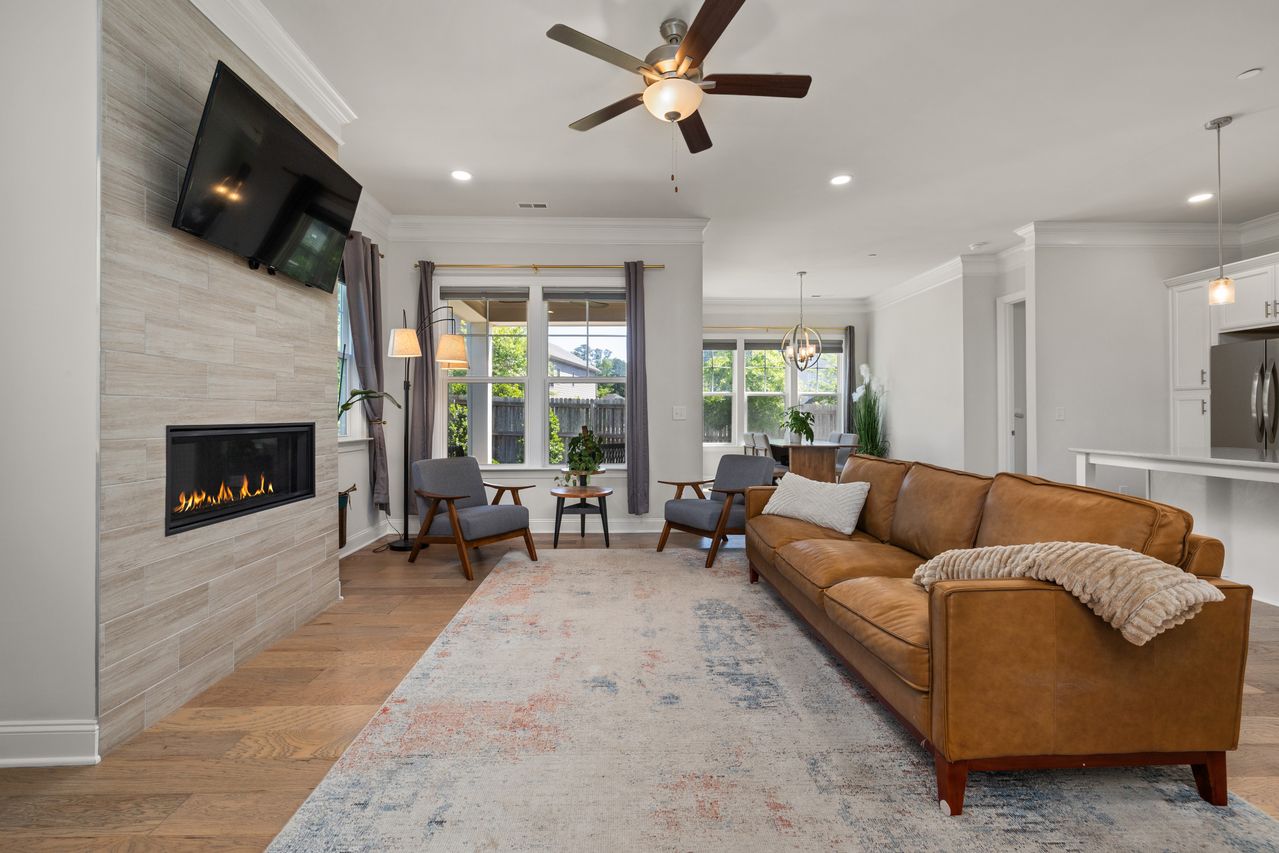
High mortgage rates are changing how Americans buy, sell and maintain their homes. Homeowners who secured mortgage rates of 2% to 3% during the pandemic are reluctant to move, but the rising cost of borrowing against their home equity is making it harder to finance major renovations.
The result is a growing number of homeowners staying in properties longer than planned while postponing expensive upgrades. Instead of moving into a different home or undertaking a major remodel, many are focusing on essential repairs and smaller, more affordable improvements.
The trend comes as mortgage rates have climbed above 7.5%, putting additional pressure on housing affordability and making both moving and borrowing against home equity more expensive.
According to home services platform Angi, homeowners are staying in their current homes about five years longer than they originally expected.
Home Equity Is Becoming More Expensive to Access
Homeowners have accumulated substantial equity in their properties, but accessing that wealth has become more expensive as interest rates rise.
Home equity loans and home equity lines of credit (HELOCs) have traditionally helped homeowners finance major projects, including kitchen remodels, roof replacements and other property improvements. However, higher borrowing costs are making these options less attractive.
Some homeowners who take out second mortgages or HELOCs are also using the funds to manage other financial obligations rather than renovate their properties.
Tom Graff, chief investment officer at financial planning and wealth management firm Facet, said rising interest rates make it more expensive for homeowners to borrow against their equity, particularly for large purchases such as renovations.
Graff explained that limiting consumer spending is one of the intended effects of Federal Reserve rate increases aimed at controlling inflation. However, he warned that weaker consumer spending could create broader economic challenges, especially as other sources of growth face pressure.
For homeowners, the immediate concern is how to pay for improvements when moving is expensive and borrowing against an existing property is no longer as affordable.
Homeowners Are Staying Longer and Prioritizing Maintenance
With many homeowners reluctant to give up their existing low mortgage rates, properties that were once considered temporary residences are increasingly becoming long-term homes.
Angi co-founder and Chief Customer Officer Angie Hicks said homeowners are holding on to mortgage rates secured during the pandemic, even as current borrowing costs have moved significantly higher.
According to Hicks, homeowners are now staying in their properties approximately five years longer than they initially anticipated. This shift is encouraging many to make their existing homes work for longer rather than move.
However, staying put does not mean homeowners are abandoning home improvement altogether. Instead, they are changing how they spend.
Angi’s data shows that 60% of consumers are postponing projects and shifting their attention toward maintenance.
Rather than undertake a full kitchen renovation, for example, homeowners may repaint cabinets or replace cabinet handles. Similarly, essential maintenance, such as servicing a furnace or repairing a water heater, is taking priority over discretionary upgrades.
Hicks said homeowners tend to reprioritize rather than completely stop spending when economic conditions become uncertain. Projects can also be broken into smaller stages to make costs more manageable.
Big-Ticket Renovation Sales Are Declining
The shift toward maintenance is also showing up in home improvement retail sales.
According to retail analytics firm Datavations, sales across major renovation categories at Home Depot and Lowe’s declined by approximately 10% to 28% between September 2025 and August 2026, compared with the same period a year earlier.
The figures suggest that homeowners are becoming more cautious about expensive discretionary projects.
Philip Odelfelt, CEO of Datavations, said the data points to consumers remaining in their homes while delaying major renovations.
Shower-related products have been particularly affected. Sales of shower stalls, kits and enclosures at the two retailers fell 21% year over year, while unit sales declined 28% over the same period.
Bathtub sales fell 10%, with unit sales down 12%.
By comparison, sales of pull-down kitchen faucets, which have a lower average selling price of approximately $147, declined by around 3%.
The difference highlights how the cost of a project can influence homeowners’ decisions. Lower-cost purchases may remain manageable, while renovations involving several hundred dollars or more are increasingly being postponed.
According to Odelfelt, the declines across both retailers point to a broader change in consumer behavior rather than a problem affecting just one company.
Lowe’s Chief Financial Officer Brandon Sink has also identified affordability as a concern, noting that customers are prioritizing repairs and maintenance while remaining cautious about expensive discretionary projects.
Necessary Repairs Are Becoming Harder to Finance
Although homeowners may be able to delay cosmetic improvements, essential repairs cannot always wait.
Roof replacements, new windows and heating and cooling system upgrades can cost thousands of dollars. When these components reach the end of their useful lives, homeowners may have little choice but to pay for repairs or replacements.
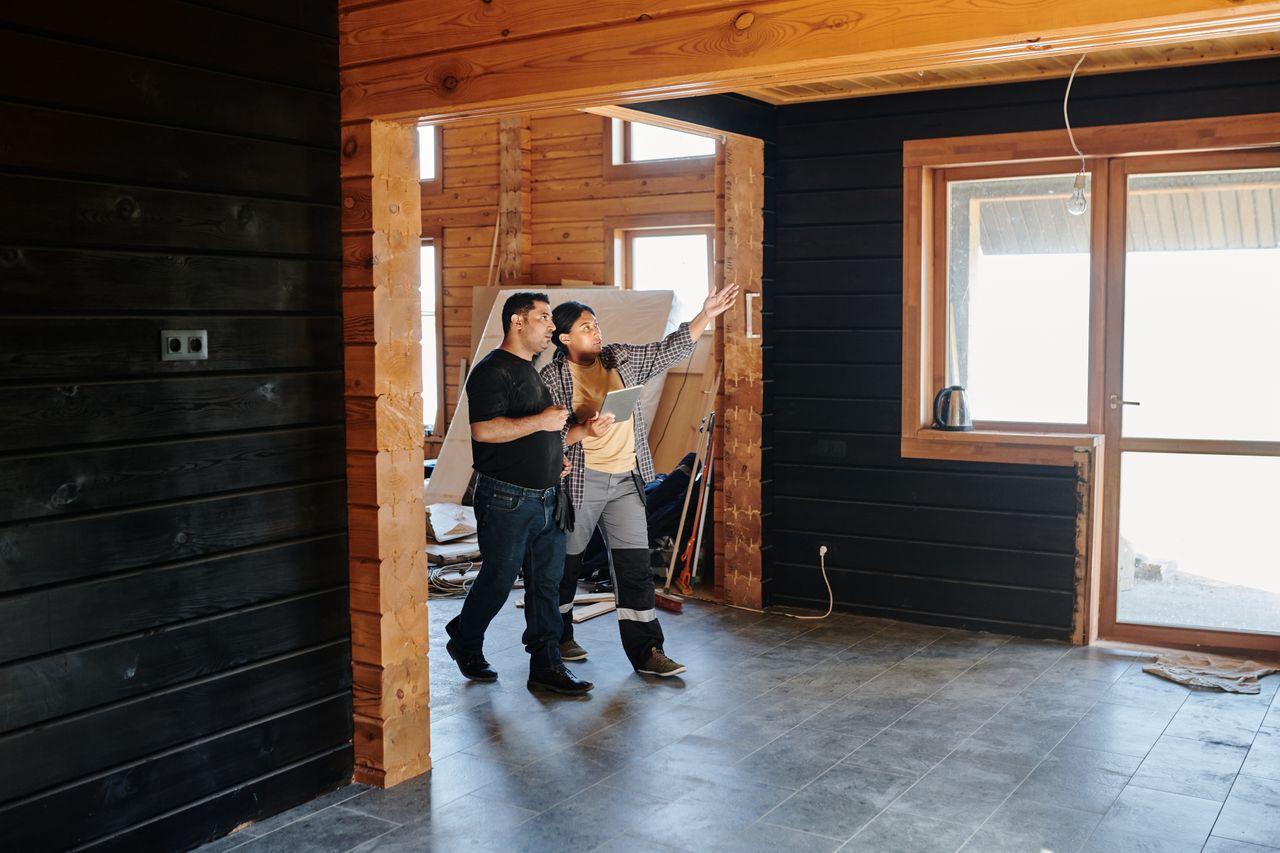
Andre Kazimierski, co-owner and president of HomeHero Roofing, said homeowners have historically used home equity loans and HELOCs to finance major projects such as roof replacements.
However, when borrowing becomes more expensive, households without sufficient savings may struggle to cover these costs.
Kazimierski warned that prolonged delays in necessary renovations could leave some properties more vulnerable to damage from heavy rain, strong winds and extreme temperatures.
Putting off maintenance can also allow smaller problems to develop into more expensive repairs, potentially increasing the financial burden on homeowners over time.
The Fixer-Upper Market Faces Additional Pressure
High borrowing costs are also changing the economics of buying and renovating older properties.
Mark Ratchford, a Tulane University business school professor who studies consumer behavior related to home equity, said some homeowners are deciding that the cost of financing renovations is simply too high to justify proceeding.
Ratchford noted that buyers who might previously have purchased fixer-uppers, renovated them and sold them for a profit are facing greater financial challenges.
When both acquisition and renovation costs are high, the potential returns on these projects become harder to achieve.
The same pressures affect homeowners who want to update their properties before selling. Without affordable financing, some may choose to keep their homes as they are rather than invest in improvements.
Ratchford also observed that some households are using available home equity to cover existing debt instead of funding renovations, further limiting the money available for home improvement.
A Longer Housing Slowdown Could Affect the Wider Market
The consequences extend beyond individual homeowners and home improvement retailers.
When homeowners remain in their properties longer, fewer may be willing or financially able to move. At the same time, deferred renovations can reduce spending on contractors, building materials and other home services.
Genine Fallon, managing director of capital formation and investor relations at real estate capital advisory firm Praxis Rock Advisors, said expensive home-equity borrowing can cause households and property investors to postpone discretionary capital projects.
Fallon warned that if homeowners continue to leave their equity untapped for years, the broader housing market could experience less turnover, reduced renovation spending and fewer property improvements.
This could create challenges for contractors, retailers and real estate investors who depend on homeowners making upgrades or moving into different properties.
For homeowners, the longer-term concern is whether postponed projects will remain manageable or eventually turn into more costly repairs.
Homeowners Are Adjusting, Not Abandoning, Home Improvement
The current environment is forcing homeowners to rethink how they use their properties and allocate their budgets.
Low pandemic-era mortgage rates continue to discourage many from moving, while higher borrowing costs are making home-equity financing less attractive. As a result, essential maintenance is taking priority over major renovations, and expensive projects are increasingly being delayed.
For the housing industry, this shift could mean fewer discretionary renovations, slower property turnover and greater pressure on contractors and home improvement retailers.
As long as borrowing remains expensive, homeowners may continue to choose maintaining what they have over making major improvements or moving elsewhere.