The U.S. Senate has confirmed Kevin Warsh as the next chair of the Federal Reserve, a leadership change that could influence interest rates, borrowing costs, and the broader housing market in the years ahead.
Warsh will officially replace Jerome Powell when Powell’s term ends in May. His appointment comes during a period of persistent inflation concerns, global economic uncertainty, and ongoing attention on mortgage affordability across the United States.
Why the Federal Reserve Matters to Housing
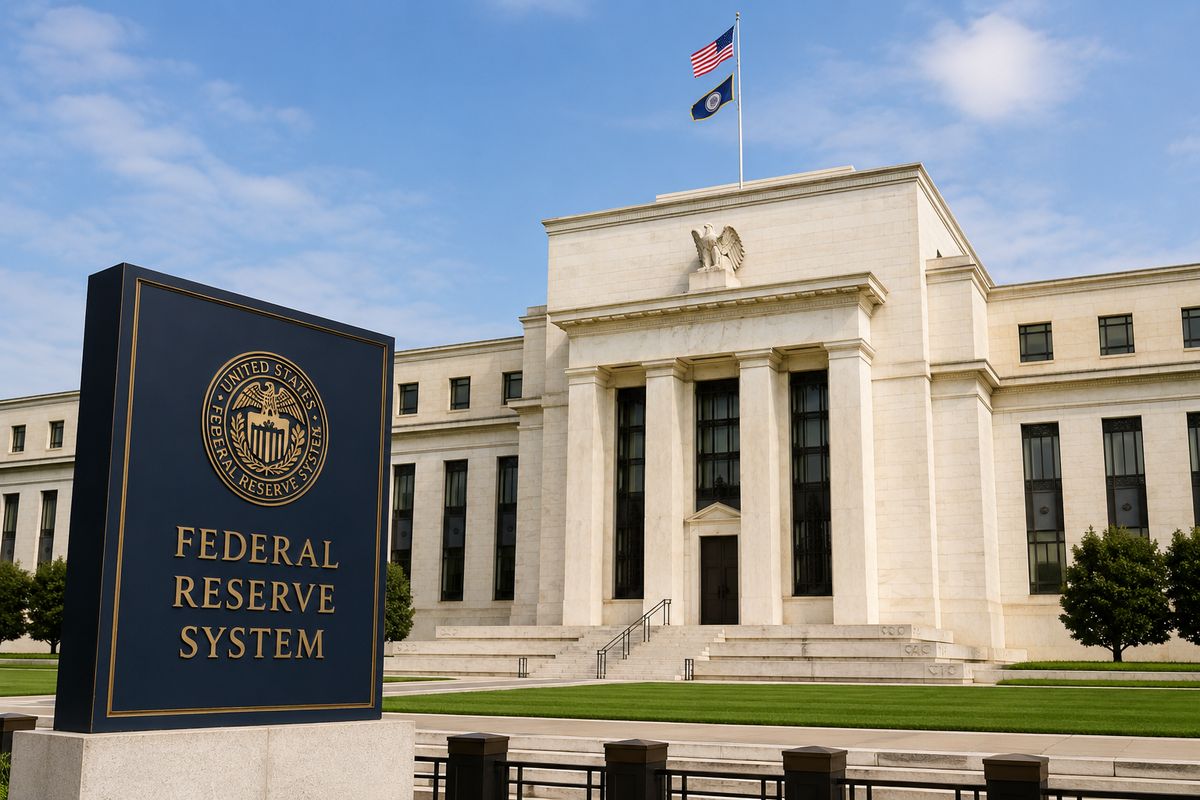
The Federal Reserve plays a major role in shaping the cost of borrowing money. While the central bank does not directly set mortgage rates, its decisions on benchmark interest rates heavily influence lending conditions throughout the economy.
When rates rise, borrowing becomes more expensive, often slowing homebuying activity and reducing affordability. Lower rates can have the opposite effect, making financing more accessible for buyers and encouraging market activity.
Because of this connection, changes in Federal Reserve leadership are closely watched by real estate professionals, investors, and prospective homebuyers.
A More Inflation-Focused Approach?
Warsh previously served on the Federal Reserve’s governing board from 2006 to 2011 and has historically been viewed as more aggressive on inflation than some other policymakers.
Economic analysts often describe him as an “inflation hawk,” meaning he has generally supported higher interest rates when inflation remains elevated.
If that approach continues during his tenure as chair, mortgage rates could remain higher for longer than some market participants had hoped. However, future decisions will still depend heavily on inflation data, employment trends, and broader economic conditions.