How AI Is Reshaping Luxury Real Estate in the Bay Area
-
 by Biazowa
- May 11, 2026
- Market Trends
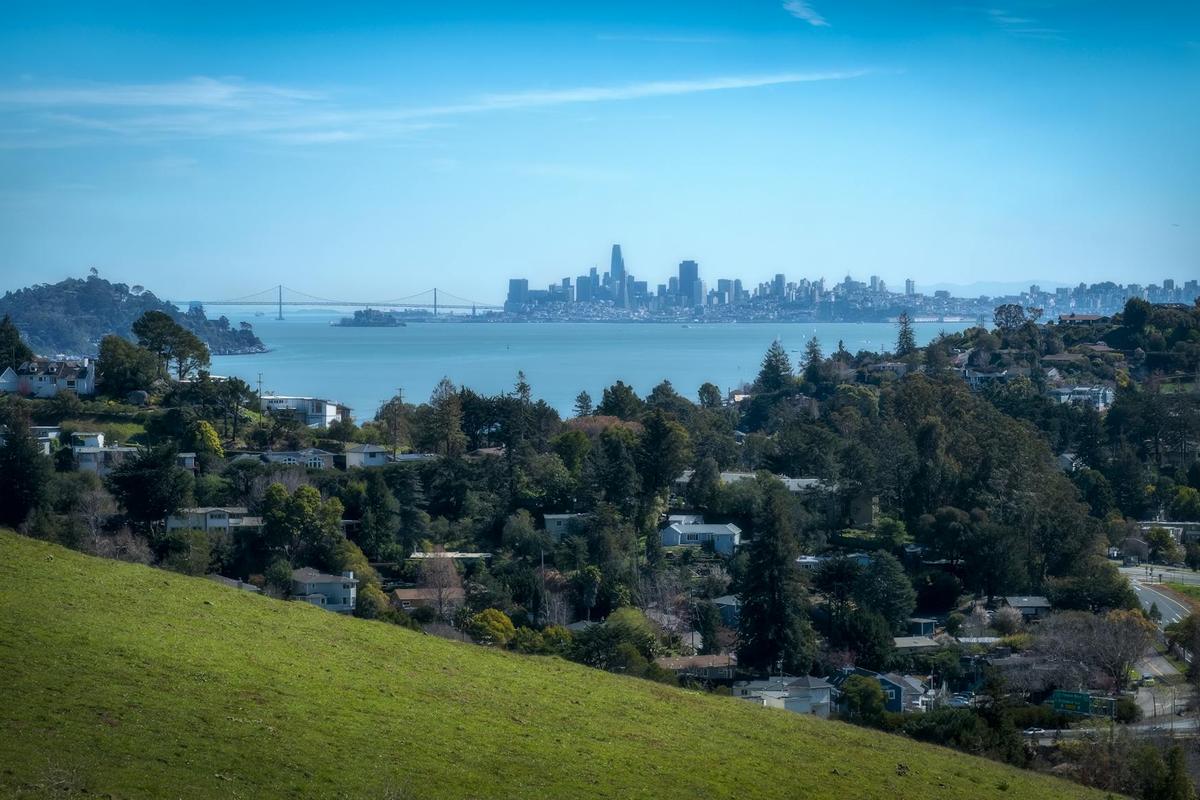
Artificial intelligence is no longer influencing only the technology sector. It is also reshaping the housing market across the San Francisco Bay Area. As AI companies expand and high-paying tech jobs increase, luxury home prices in some of the region’s wealthiest neighborhoods are rising faster than the broader market.
Recent housing data highlights a widening gap between high-end and lower-priced communities. The trend shows how the AI economy is creating uneven momentum across the Bay Area real estate market.
Luxury Neighborhoods Are Moving Faster
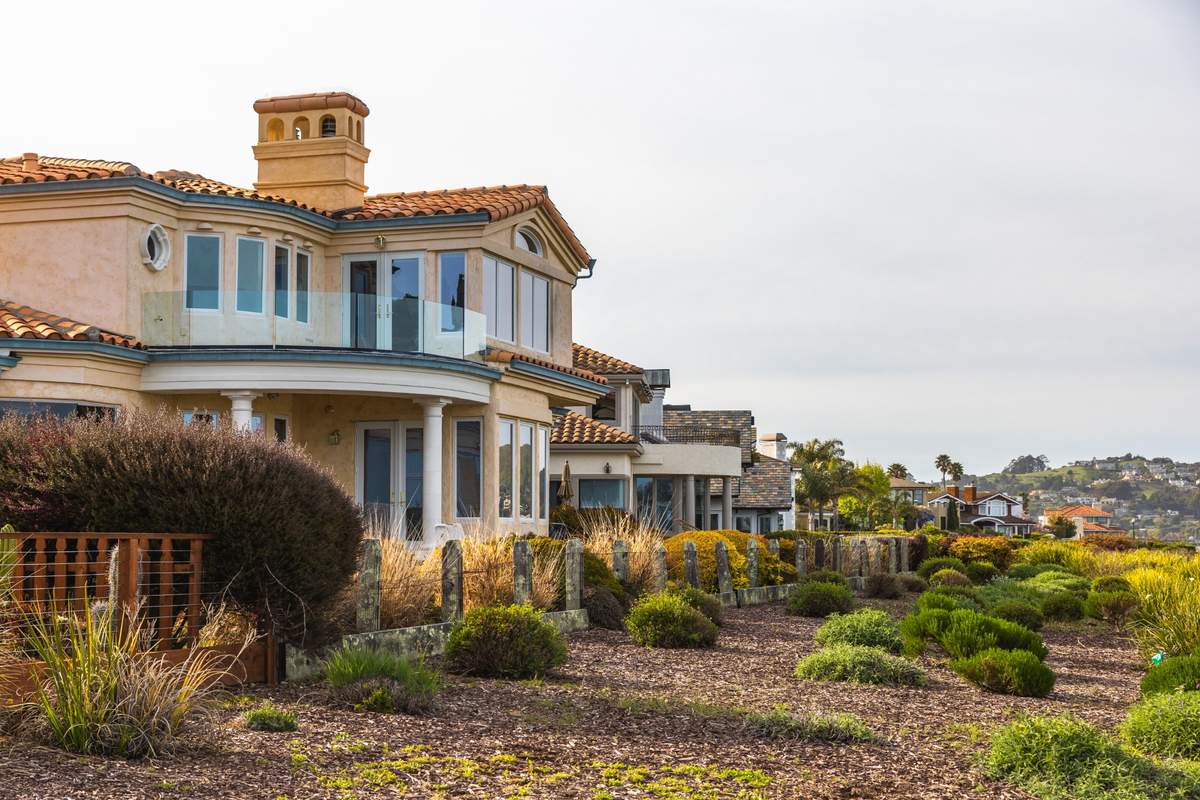
Over the past two years, luxury neighborhoods across the Bay Area have recorded stronger price growth than many other parts of the market. High-end zip codes have seen sharp increases in property values, while more affordable communities have experienced slower growth and, in some cases, declining prices.
This shift is notable because the market looked very different before the rise of mainstream AI tools. During the pandemic housing boom, price growth was more consistent across most segments of the market. Low mortgage rates and strong buyer demand pushed values higher across different price points.
Today, that pattern has changed.
AI Wealth Is Increasing Demand
The shift appears closely tied to the rapid growth of the AI industry. As artificial intelligence companies expand throughout Silicon Valley and San Francisco, highly compensated employees and executives are entering the housing market with significant purchasing power.
Large compensation packages, stock gains, and performance bonuses are helping fuel demand for luxury homes. Demand is especially strong in neighborhoods located near major tech hubs.
In many cases, buyers are competing aggressively for limited inventory. Homes are selling quickly and often above asking price. In some neighborhoods, the luxury market is beginning to resemble the intense competition seen during the pandemic housing surge.
A Growing Divide Across the Market
While luxury markets are accelerating, lower-priced neighborhoods are not seeing the same level of momentum. Economists often describe this trend as a “K-shaped” economy, where certain industries and income groups benefit more quickly than others.
In the Bay Area, the AI boom appears to be disproportionately benefiting higher-income households connected to the technology sector. Meanwhile, many lower- and middle-income residents continue to face affordability challenges without seeing the same increase in housing wealth.
The result is a housing market where different segments are moving in very different directions at the same time.
Why the Bay Area Is Different

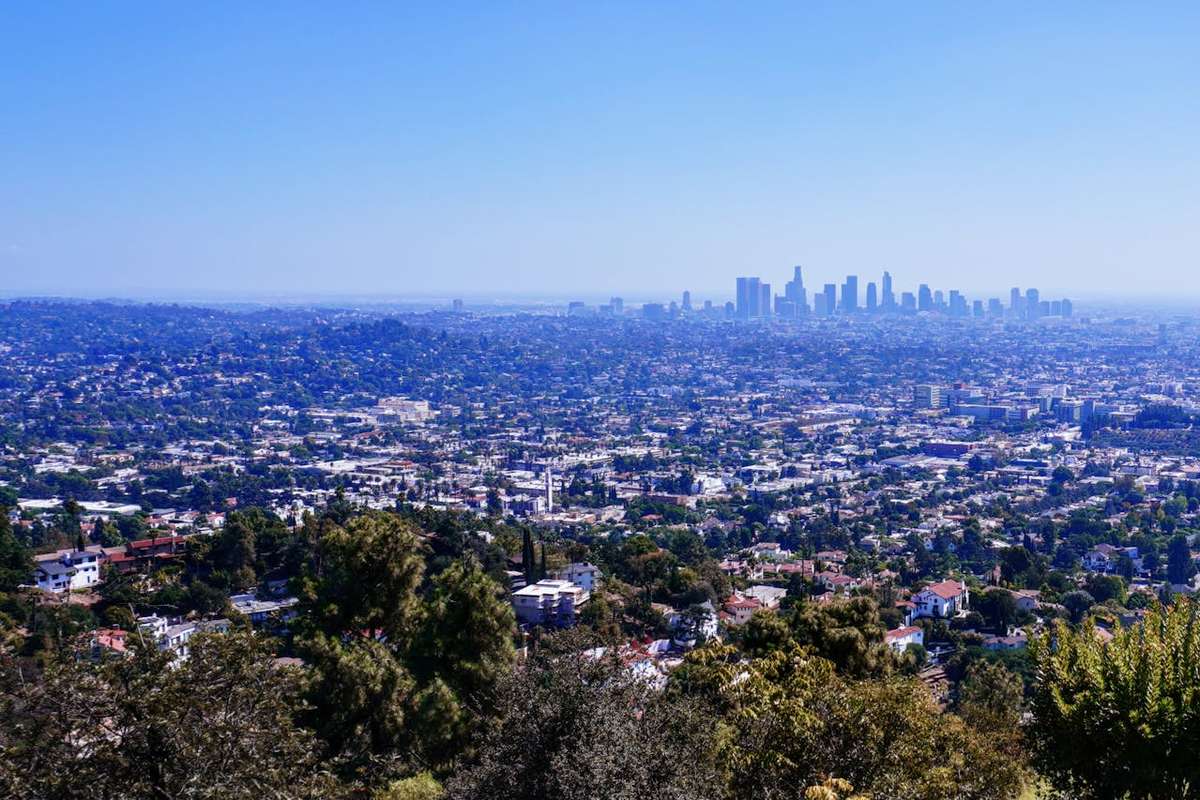
This trend has not appeared as strongly in many other major housing markets. Cities such as New York, Los Angeles, and Seattle have not experienced the same level of luxury-market separation linked to AI-related wealth.
That difference highlights how concentrated the AI industry has become in the Bay Area. The region remains one of the leading centers for artificial intelligence investment, hiring, and startup growth.
What It Means for Buyers and Sellers
For luxury sellers, current market conditions may create strong opportunities. Limited inventory combined with wealthy buyers can support stronger pricing and faster sales in certain neighborhoods.
For buyers, especially those outside the tech sector, affordability may remain a challenge in the region’s most competitive luxury markets. Increased demand at the high end may also create ripple effects across nearby communities over time.
At the same time, the uneven nature of the market reinforces the importance of understanding local trends rather than relying only on national housing headlines.
Looking Ahead
As artificial intelligence continues to expand, its influence may extend far beyond technology and into broader sectors of the economy, including real estate.
The Bay Area is already showing how emerging industries can reshape local housing markets when new wealth enters concentrated regions. Whether the trend continues will depend on hiring growth, interest rates, housing supply, and the long-term strength of the AI sector.
For now, one thing is becoming increasingly clear: the AI boom is reshaping not only the technology industry, but also the future of luxury real estate in the Bay Area.