Rates Dip for the First Time in Six Weeks, Offering Buyers a Small Break


The average 30-year mortgage rate fell to 6.67%, but borrowing costs remain higher than they were a year ago, keeping affordability challenges in place.
After five consecutive weeks of increases, mortgage rates finally moved lower this week, giving prospective homebuyers a modest break from rising borrowing costs.
The average rate on a 30-year fixed mortgage fell to 6.67%, down from 6.69% the previous week, according to mortgage buyer Freddie Mac. While the decline was small, it marked the first weekly drop in six weeks.
However, rates remain above last year’s levels. At the same time in 2025, the average 30-year mortgage rate was 6.58%.
A Small Drop, But Affordability Remains a Challenge
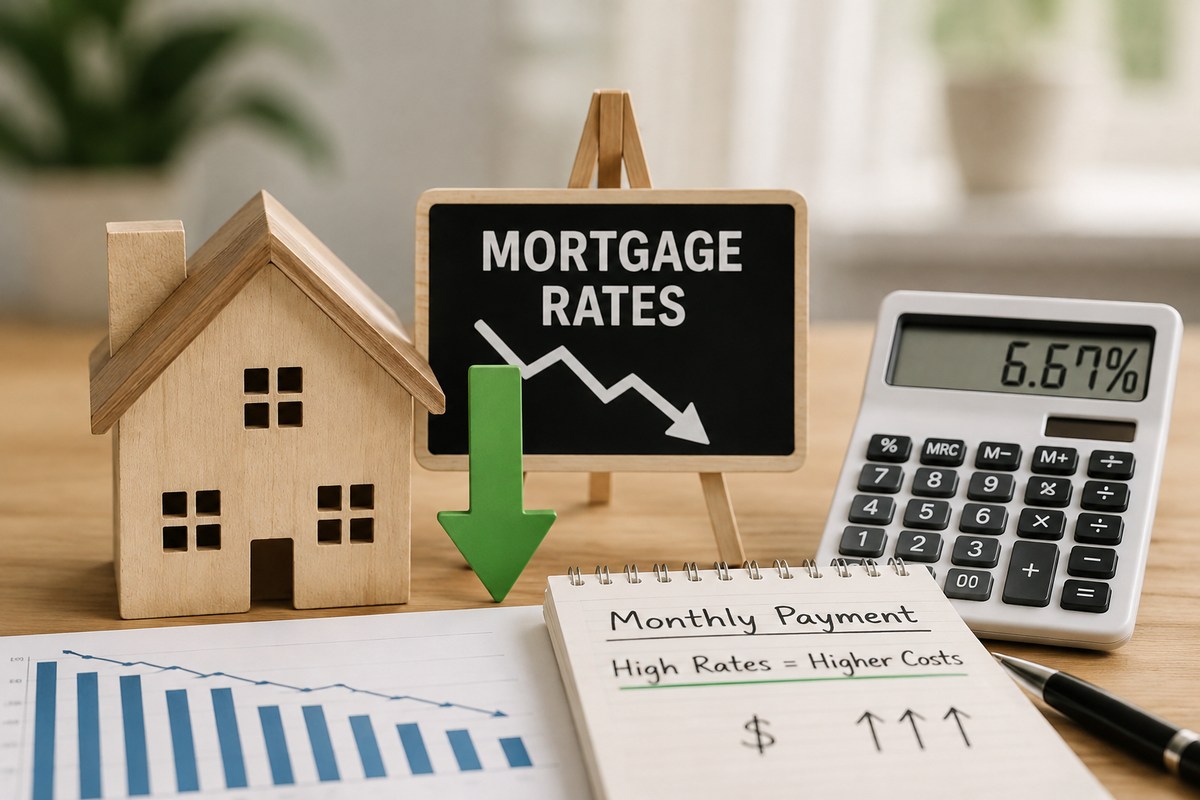
Even slight changes in mortgage rates can affect how much homebuyers can afford, particularly in markets where home prices remain elevated.
Higher borrowing costs can add hundreds of dollars to monthly mortgage payments and reduce buyers’ purchasing power. That pressure has contributed to slower home sales, with sales of previously owned homes declining again in July as mortgage rates climbed.
The latest decline could offer some relief, but rates would need to fall considerably further before affordability improves meaningfully for many buyers.
The 15-year fixed mortgage rate also edged lower this week, falling to 5.96% from 6.01%. Still, that remains above the 5.71% average recorded a year ago.
Treasury Yields Are Giving Mortgage Rates Some Relief
Mortgage rates are influenced by several factors, including inflation, Federal Reserve policy and investor expectations about the economy. They generally track the 10-year Treasury yield, which lenders use as a benchmark when pricing home loans.
The bond market has also shown some signs of easing. The 10-year Treasury yield stood at 4.61% as of midday Thursday, down from 4.72% at the beginning of the week.
That decline has helped take some pressure off mortgage rates.
Still, borrowing costs remain significantly higher than they were before the U.S.-Iran conflict began in late February. At that time, the 10-year Treasury yield was around 3.97%, while Freddie Mac’s average 30-year and 15-year mortgage rates were approximately 5.98% and 5.44%, respectively.
Inflation Could Determine What Happens Next
One of the biggest questions for mortgage rates is whether inflation continues to cool.
Both consumer and wholesale inflation moderated somewhat last month, suggesting that prices are still rising but at a slower pace. If that trend continues, it could reduce pressure on the Federal Reserve to raise interest rates.
That could eventually help bring down borrowing costs.
For now, however, homebuyers are still dealing with mortgage rates that are higher than they were a year ago. The latest decline is encouraging, but one week of lower rates is not yet a clear sign that the broader upward trend has ended.
For buyers who have been waiting for borrowing costs to improve, the coming weeks could be important as markets assess inflation, economic conditions and the Federal Reserve’s next moves.