Los Angeles Rent Prices Ease, But Affordability Remains a Challenge
-
 by Biazowa
- May 5, 2026
- Market Trends

Los Angeles rent prices are starting to ease, offering modest relief after years of sharp increases. Even so, affordability remains a major challenge for many households across the region.
New data shows the median asking rent fell to about $2,682 in the first quarter of 2026. That represents a 3.5% decline compared to the same time last year. While this shift is encouraging, it does not fully change the broader affordability picture.
Income Requirements Remain High
Despite lower rents, affordability is still out of reach for many. Households need an estimated income of around $107,000 to comfortably afford the typical rental.
That figure is well above the city’s median household income. As a result, even small declines in rent have not significantly improved access for most renters.
New Housing Supply Is Easing Pressure
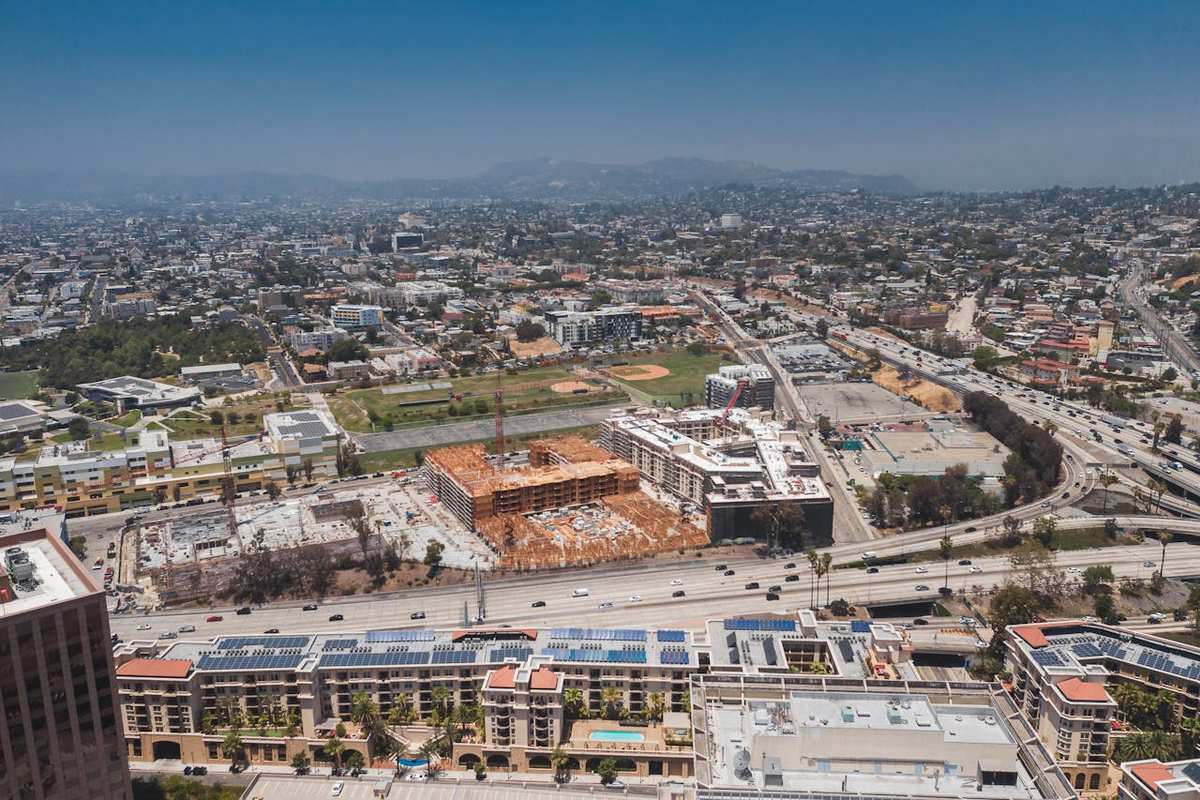
An increase in multifamily construction is helping stabilize prices. As more apartment units enter the market, pricing pressure has started to ease.
Across Los Angeles County, median rents have declined year over year and are now at their lowest levels in several years. This reflects a broader trend seen across major U.S. cities: when supply increases, rent growth slows.
Rent Stabilization May Shape Movement
Los Angeles is preparing to update its rent stabilization policies. The revised rules will limit annual rent increases for many units and provide more predictability for long-term tenants.
While this offers stability, it may also reduce turnover. Fewer available units could lead to tighter inventory and more competition among renters.
Neighborhood Trends Vary
Rental trends are not uniform across the city.
Some higher-cost areas, including parts of the Westside, have seen noticeable declines. Meanwhile, neighborhoods with strong transit access and walkability have remained stable or posted slight increases.
These patterns reflect shifting renter preferences toward accessibility and proximity to employment centers.
What This Means for the Market
Recent rent declines offer some relief, but affordability remains unresolved.
For investors and landlords, demand continues to favor well-located properties. For buyers and sellers, the data reinforces a key point: Los Angeles is still undersupplied relative to demand.
While rents are softening, long-term affordability will depend on continued housing development and policy decisions.