California Sets New Standards for Smoke-Damaged Homes After Wildfires

California has introduced new protections for homeowners whose properties are damaged by wildfire smoke, even when the homes themselves never catch fire.
Gov. Gavin Newsom has signed AB 1795, establishing what California describes as the nation’s first enforceable standards for testing, cleaning and restoring homes affected by wildfire smoke.
The law addresses a long-standing problem for wildfire survivors: determining whether a smoke-damaged home is safe to live in and whether the resulting cleanup costs should be covered by insurance.
Smoke Damage Can Leave Homes Unsafe
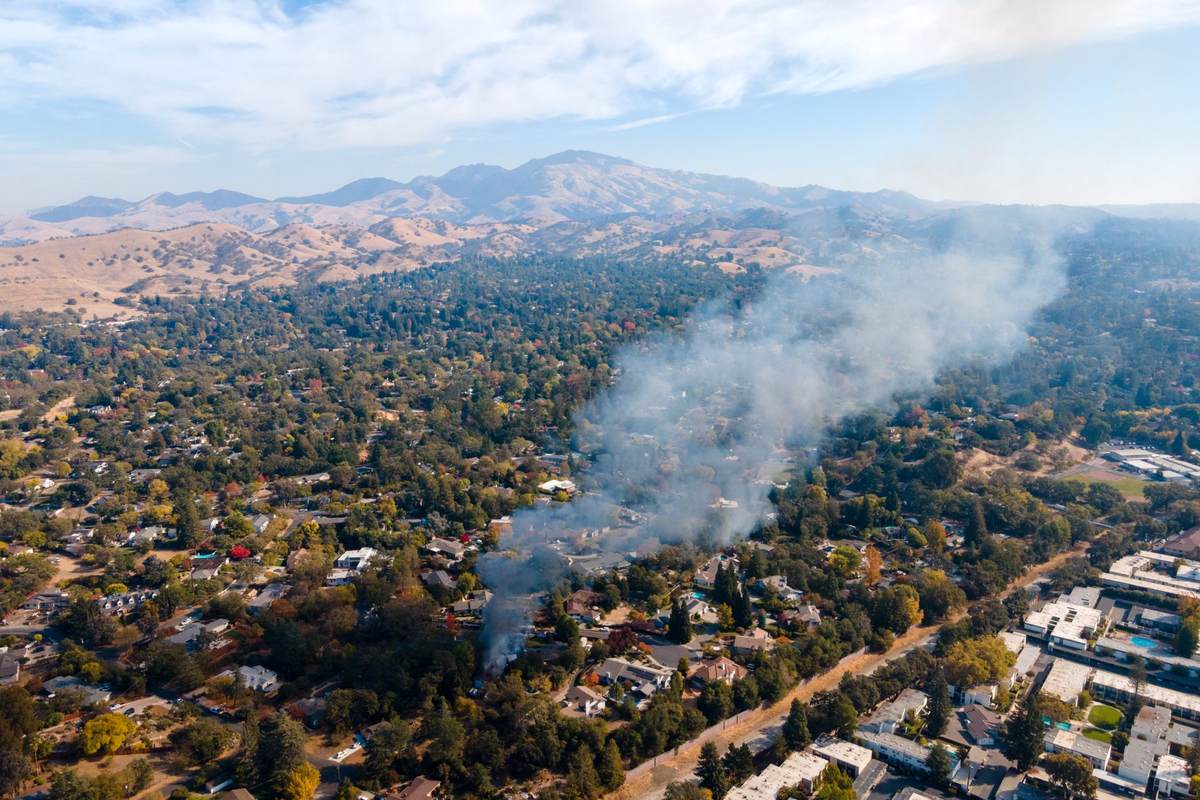
A home does not have to burn down to suffer serious wildfire damage. Smoke can leave behind hazardous substances, including lead, asbestos and benzene, potentially affecting both the property and household belongings.
The issue became particularly visible following the 2025 Los Angeles firestorm. According to estimates from the California Department of Insurance, more than one-quarter of insurance claims from those fires involved smoke damage to homes that did not burn.
For homeowners, however, determining the extent of that damage and getting insurers to agree on the necessary repairs has not always been straightforward.
New Rules Clarify Insurance Responsibilities
Under AB 1795, the California Air Resources Board and the Department of Toxic Substances Control will develop standards for testing and remediating lead and asbestos contamination associated with wildfire smoke.
The law also changes how insurers handle smoke-damage claims.
For homes located within a wildfire impact zone, insurers will generally have to presume that the smoke damage resulted from the wildfire. This means homeowners will not have to establish the cause of the contamination before seeking coverage.
Insurance companies will also be responsible for necessary testing and remediation, as well as additional living expenses while the home is being restored and made safe.
Homeowners will retain the right to choose their own restoration contractors, while insurance adjusters will receive specialized training for handling smoke-damage claims.
Advocates Say the Law Could Reduce Disputes
The new requirements are intended to create greater consistency in how smoke-damaged properties are evaluated and restored.
According to California Insurance Commissioner Ricardo Lara, wildfire survivors have often faced lengthy disputes over whether their homes were safe and what insurance policies were required to cover.
Insurance broker Karl Susman similarly described inconsistencies in how different insurers handled smoke-damage claims. He noted that some companies paid for extensive cleanup and temporary housing, while others took a much narrower approach to remediation.
The differences meant that homeowners with similar types of damage could receive very different responses from their insurers.
Industry Groups Raise Cost Concerns
Not everyone supported the legislation.
Some insurance industry groups opposed AB 1795, arguing that the new requirements could increase costs for policyholders. The Personal Insurance Federation of California, one of the registered opponents of the bill, did not respond to a request for comment by the article’s deadline.
The law also is not retroactive, meaning survivors of previous wildfires generally will not be able to use the new standards to reopen past claims or require insurers to apply the new rules to earlier losses.
What the New Law Means for Future Wildfire Survivors
Newsom said the new protections are intended to make insurers’ responsibilities clearer and give homeowners greater financial support while their properties are being restored.
For future wildfire survivors, the changes could provide a clearer process for determining whether a smoke-damaged home is safe, what remediation is necessary and which costs insurers must cover.
Consumer advocacy organization United Policyholders also supported the legislation. Executive Director Amy Bach said the law could lead to fewer disputes and better outcomes for homeowners dealing with wildfire-related property damage.
As wildfire risks continue to affect communities across California, AB 1795 establishes a more defined framework for dealing with a type of damage that can remain long after the flames are gone.